
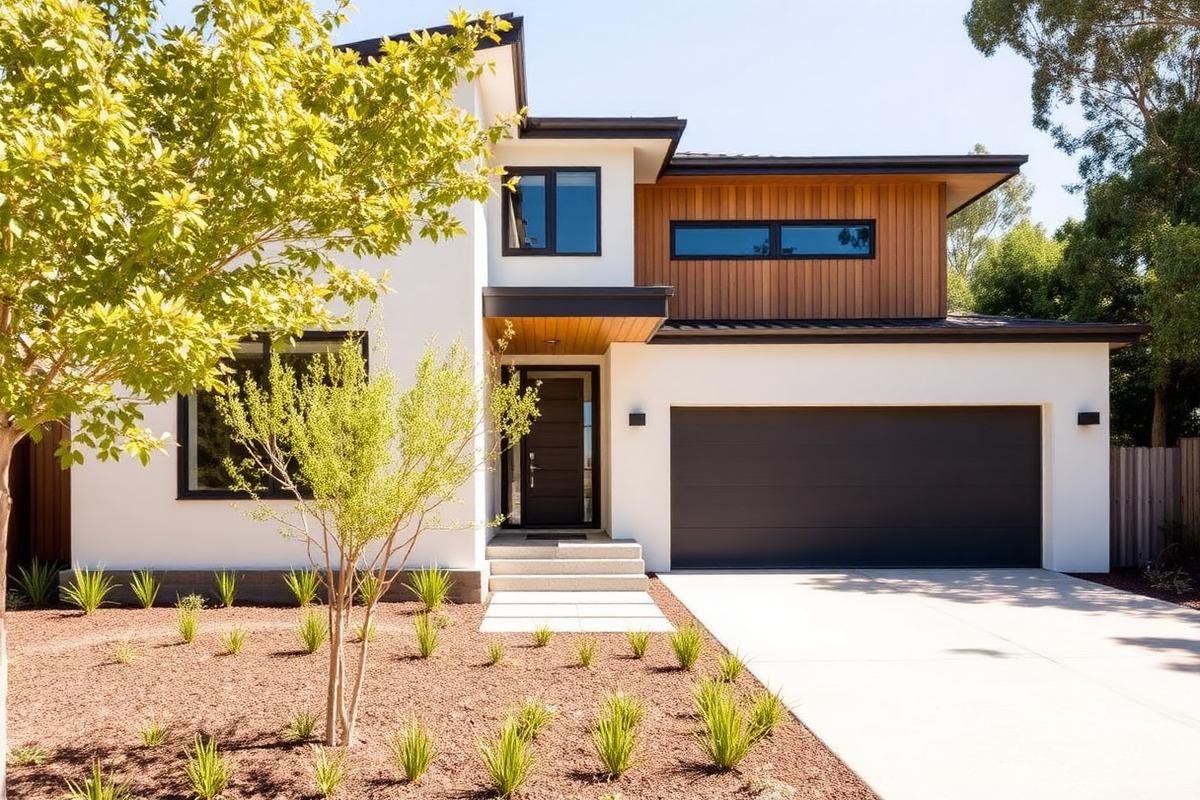
If the renovation budget keeps climbing toward the cost of a new home, it is time to run the comparison properly. These are the factors that decide it.
Start with the structure, not the wish list
The first question is what condition the existing house is actually in. Stumps, framing, roof structure, drainage, wiring and the presence of asbestos all determine how much of your budget disappears into work you will never see.
If a renovation requires re-stumping, rewiring, replumbing, a new roof and a reconfigured floor plan, you are effectively rebuilding the house while paying to work around it. That is the point where a rebuild often becomes the better value option.
Then look at the layout you are inheriting
Renovations are constrained by the existing structure. Load-bearing walls, ceiling heights, window positions and the roof form all limit what the finished plan can be.
A new home starts from your brief and the block’s orientation. If northern light, ceiling height, garage placement or a genuinely open plan matter to you, a renovation may never fully deliver them.
Check what the planning controls allow
Before assuming a rebuild is possible, check the planning property report for your address. Heritage overlays, neighbourhood character controls, vegetation protection and covenants can all restrict demolition or dictate the form of a replacement dwelling.
In some Melbourne suburbs a sympathetic extension behind a retained facade is the only approvable option. Knowing that early saves a wasted design cycle.
Compare the whole cost, not the build cost
A fair comparison includes everything on both sides of the ledger.
- Rebuild: demolition, service disconnection, asbestos removal, new soil report and survey, new footings, and rent or alternative accommodation for the full build period.
- Renovation: structural remediation, temporary works and propping, staging costs, plus the disruption of living on site if you stay.
- Both: design, engineering, permits, energy rating and contingency for what is found once work starts.
- Long term: energy performance, maintenance liability and the resale value of the finished property in that street.
How we help you decide
HRE Built will walk the property, inspect what is under and behind the existing house, check the planning controls on the address and give you an honest read on both paths — including when we think renovating is the smarter option. That consultation is free, and there is no obligation to build with us afterwards.